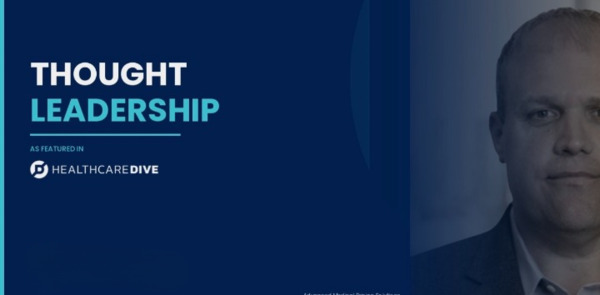
As we launch into the opening months of 2026, the healthcare landscape is no longer just “complex”; it is hyper-inflated and clinically volatile. Last year, the industry grappled with medical cost increases of 7.5%, and projections for 2026 suggest we are staring down the barrel of premium hikes as high as 15% in certain markets. For payers and TPAs, the mandate has shifted. We are no longer simply looking for “errors”; we are fighting for financial resilience in an era where high-dollar claims are the new baseline.
In my tenure as COO, I’ve seen the payment integrity space move through several iterations. We’ve moved from basic retrospective review to the “automation era” dominated by massive, black-box vendors. But as 2025 proved, automation alone is a blunt instrument. While our competitors lean heavily into “targeting edits” and “algorithmic routing,” the market is feeling the friction. When you rely solely on automated logic to manage six-figure gene therapies or complex inpatient stays, you don’t just get “denials”; you get provider abrasion, endless appeals and a lack of transparency that erodes trust.
At AMPS, we believe the “arms race” between billing complexity and payment accuracy won’t be won by the most aggressive algorithm, but by the most defensible clinical insight.
The financial exposure for payers has reached a tipping point, driven by three primary catalysts:
For years, the industry leaders, the household names in payment integrity, have focused on a “one-size-fits-all” approach. They deploy thousands of automated edits and hope the volume of “catches” justifies their contingency fees. But that model is broken. It’s reactive, opaque and it often misses the nuance of the actual medical record.
This is why we built ClaimInsight. We didn’t want to just “optimize” the status quo; we wanted to rewrite the rules.
While others tout AI as the “decider,” we view technology as the engine and physicians as the pilots. ClaimInsight HDR (High-Dollar Review) isn’t just an automated scrub. Every complex, high-dollar claim is reviewed by licensed, board-certified physicians who conduct line-by-line itemized bill reviews.
Algorithms can identify a “potential” overcharge, but only a clinician can determine if a service was medically unnecessary or if a level-of-service charge was truly earned. This clinical depth results in a 95% uphold rate on findings, a level of defensibility that automated-first shops simply cannot match.
The “black box” model of payment integrity is a fiduciary risk. Payers deserve to know why a claim was edited, not just that it was. Through our Intelligent Policy Update (IPU) and transparent reporting, we give the power back to the payer. We don’t just tell you what we found; we provide the clinical and policy-based rationale that stands up to the toughest appeals.
Our approach isn’t about casting a wider net; it’s about using a more precise spear. By setting customizable thresholds, often as low as $25,000, ClaimInsight catches the high-risk “middle-market” claims that larger, more rigid competitors often ignore because their models aren’t built for that level of granular scrutiny.
In 2026, the goal of payment integrity must transcend “cost containment.” It must become a tool for network stability. When you get the payment right the first time, backed by clinical evidence and physician oversight, you reduce the “ping-pong” effect of appeals and strengthen your provider relationships.
At AMPS ClaimInsight, we’re seeing clients save upwards of $5 million annually per 100,000 lives. That isn’t just a number on a spreadsheet; it’s capital that can be reinvested into member experience and better care.
The era of accepting “good enough” from your payment integrity partner is over. You deserve a partner that offers more than just a software license, you deserve a partner that provides clinical certainty.
To learn more about how ClaimInsight is redefining payment integrity with physician-led precision, visit www.ClaimInsight.com.





88% of IDR disputes go to providers. See how health plans can fix OON claims first with PriceDynamix, the medical claims repricing solution
READ MORE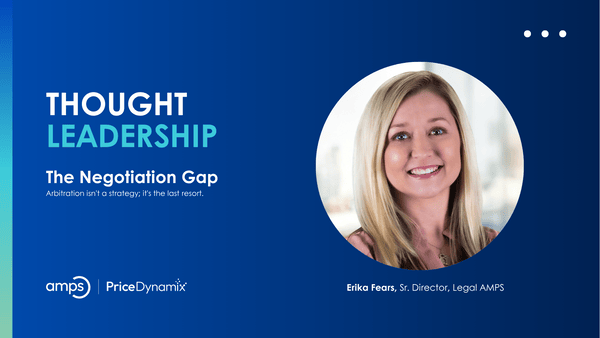
Compliance alone does not create value. Learn why strategy, negotiation, and expertise are driving stronger NSA and IDR outcomes.
READ MORE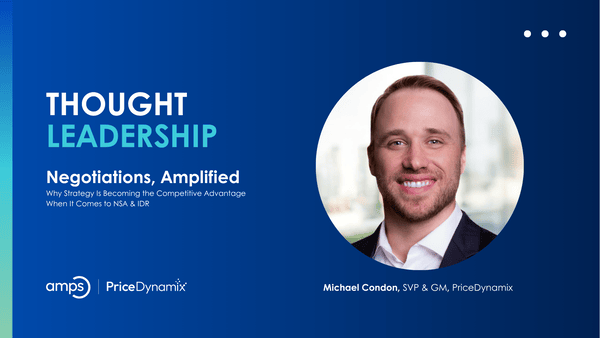
Compliance alone does not create value. Learn why strategy, negotiation, and expertise are driving stronger NSA and IDR outcomes.
READ MORE


